GUM TREATMENT
WHY SPLINTING?
When gum disease or an injury leaves teeth loose, chewing becomes uncomfortable and healing slows down. Splinting gently joins loose teeth to stronger neighbours, holding them steady so your gums and bone can recover.

THE PROCESS
Splinting is a quick, gentle procedure, usually finished in a single visit by our experienced dental team.
We check how loose each tooth is and how much bone support remains.
The teeth are gently cleaned and dried so the splint bonds securely.
A thin wire or fibre strip is bonded with tooth-coloured material, joining loose teeth to firm neighbours.
We check your bite, polish the splint and review it at follow-up visits.
THE BENEFITS
Joins mobile teeth to their stronger neighbours.
Reduces movement and discomfort when you bite and eat.
A steady tooth lets gums and supporting bone recover.
Gives natural teeth a better chance of staying in place.
IS IT RIGHT FOR YOU?

GOOD TO KNOW



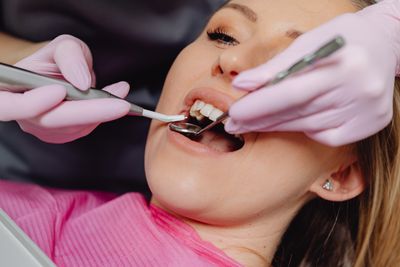
Find answers to common questions about splinting.
Most splints are bonded without any drilling, so treatment is usually comfortable. Your teeth may feel slightly different for a day or two while you get used to the splint.
Most splints are placed in a single visit lasting around 30 to 60 minutes, depending on how many teeth are involved.
It depends on your case. Some splints are worn for a few weeks while teeth heal, while others stay in place for months or years to give long-term support.
Brush gently twice a day and use floss threaders or small interdental brushes to clean underneath. We will show you exactly how during your visit.
Yes, but avoid very hard or sticky foods such as hard candy, nuts or chewy sweets, and try not to bite directly into them with the splinted teeth.
Splints are made from tooth-coloured material and sit on the inner surface of the teeth, so they are usually barely noticeable.
Book your appointment today and keep your smile strong for years to come.

 Book Appointment