GUM TREATMENT
WHY ROOT PLANING?
When plaque and tartar settle deep below the gum line, brushing alone cannot remove them. Root planing carefully cleans and smooths the tooth roots so gums can reattach, bacteria are reduced and gum disease stops progressing.
THE PROCESS
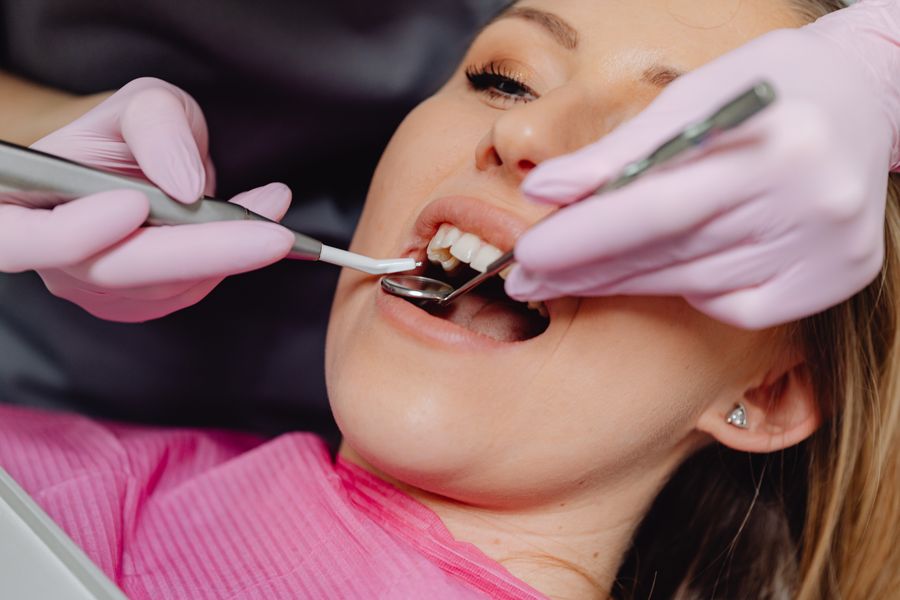
Root planing is a careful, comfortable treatment done with local anaesthesia by our experienced dental team.
We measure gum pockets and check for bone loss and infection.
Local anaesthesia keeps the treatment gentle and comfortable.
Tartar and bacteria are removed from the roots and the root surface is smoothed.
Gums reattach and heal, and we review your progress at a follow-up visit.
THE BENEFITS
Smooth roots let gums fit snugly against your teeth again.
Shrinks deep pockets where bacteria love to hide.
Less inflammation means healthier, calmer gums.
Removes the bacteria behind persistent bad breath.
IS IT RIGHT FOR YOU?
GOOD TO KNOW



Find answers to common questions about root planing.
The area is numbed with local anaesthesia, so you should feel pressure rather than pain. Mild gum tenderness for a few days afterwards is normal.
Usually one to two visits, depending on how much of your mouth needs treatment. Each visit typically lasts 45 to 60 minutes.
Scaling removes plaque and tartar from the tooth surface and just under the gums. Root planing goes deeper and smooths the root surfaces so gums can heal and reattach.
Light bleeding and sensitivity can happen for a day or two. Rinsing with warm salt water and gentle brushing helps them settle.
You can eat once the numbness wears off. Soft, lukewarm foods are best for the first day or two.
Yes. We usually review your gums after a few weeks and recommend regular check-ups to keep the pockets shallow and gums healthy.
Book your appointment today and keep your smile strong for years to come.

 Book Appointment