ORAL PATHOLOGY
WHY ORAL CANCER SCREENING?
Oral cancer screening is a quick, painless check of your mouth, tongue, throat and neck for early warning signs. Finding changes early makes treatment simpler and much more successful, so a regular check is one of the best things you can do for your health.

THE PROCESS
Screening is quick, painless and needs no special preparation. It is often done during a routine check-up.
We ask about your health, habits such as tobacco or alcohol use, and any symptoms you have noticed.
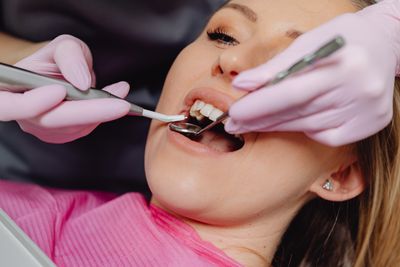
We carefully look at your lips, cheeks, tongue, gums, palate and throat for red or white patches, sores or lumps.
We gently feel the tissues of your mouth, jaw and neck for lumps or swollen glands.
We explain what we found, and advise a review, a biopsy or a specialist referral if needed.
THE BENEFITS
Catches changes before they cause symptoms.
Usually takes only a few minutes.
Tells us if any further tests are needed.
A chance to get advice on quitting tobacco and alcohol.
IS IT RIGHT FOR YOU?

GOOD TO KNOW



Find answers to common questions about oral cancer screening.
No. It involves looking at and gently feeling the tissues of your mouth and neck, and most people feel no discomfort at all.
A screening usually takes five to ten minutes and is often part of a routine dental check-up.
We explain what we found and may recommend a review after a short time, a biopsy or a referral to a specialist.
At least once a year, and more often if you use tobacco or alcohol, or if you have noticed any change in your mouth.
A sore that does not heal, a red or white patch, a lump, unexplained bleeding, numbness or difficulty chewing or swallowing.
Yes. Avoiding tobacco in all forms, limiting alcohol, eating plenty of fruit and vegetables and having regular check-ups all help.
Book your appointment today and keep your smile strong for years to come.

 Book Appointment