MORE TREATMENTS
WHY DENTAL EXTRACTION?
Sometimes a tooth is too damaged, infected or loose to be repaired. Dental extraction removes it gently and safely, relieves pain and protects the health of the surrounding teeth and gums.

THE PROCESS
Extractions are done under local anaesthesia, and we explain every step so you feel at ease.
We check the tooth and surrounding bone to plan the safest way to remove it.
Local anaesthesia numbs the area, so you feel pressure but no pain.
The tooth is loosened and removed carefully with minimal trauma to the gums and bone.
We give clear healing instructions and discuss options to replace the tooth if needed.
THE BENEFITS
Removes the source of severe toothache.
Stops infection from affecting other teeth.
Numbed area and a gentle approach.
Options like implants, bridges or dentures to fill the gap.
IS IT RIGHT FOR YOU?

GOOD TO KNOW
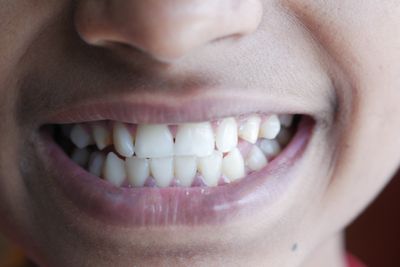



Find answers to common questions about dental extraction.
The area is fully numbed, so you should feel pressure but no pain. Mild soreness afterwards is normal and can be managed with medicines.
A simple extraction usually takes 15 to 30 minutes, though it may take longer for complex teeth.
The gum usually heals in one to two weeks, and the bone continues to remodel over the following months.
Bite gently on the gauze, avoid spitting or rinsing hard for 24 hours, eat soft, cool foods and avoid smoking.
It is a painful condition where the blood clot is lost from the socket. Following aftercare advice and avoiding smoking greatly reduces the risk.
It is often advised, because gaps can cause neighbouring teeth to shift. We can discuss implants, bridges or dentures.
Book your appointment today and keep your smile strong for years to come.

 Book Appointment